
The Souls Of Business
A short reflection on business as a human endeavor, observing that companies are filled with unique people at different phases of their journeys, all seeking real connection to themselves and others and purpose in their work.

A short reflection on business as a human endeavor, observing that companies are filled with unique people at different phases of their journeys, all seeking real connection to themselves and others and purpose in their work.

A New Year’s reflection on choosing which emotional and behavioral baggage to carry forward, focusing on discarding fear and the negative conditioning that makes the author reject gifts, love, and support.
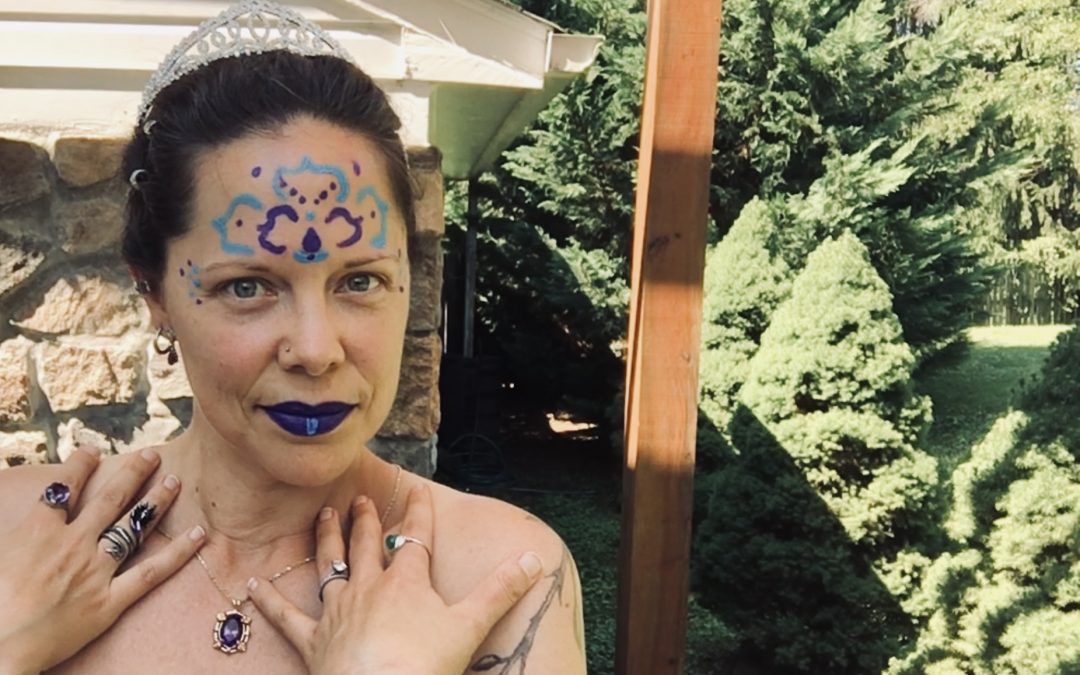
A personal essay tracing the author’s lifelong shame back to a childhood moment of hiding her artistic, expressive self to win approval, arguing that shame arises from denying your own truth rather than from others’ words.

A teaching reflection on letting go, arguing that you do not need to hate or devalue a job, home, or situation in order to release it, and that change rooted in love and gratitude attracts better outcomes than change rooted in dissatisfaction.

A personal reflection written while planning a life of full-time travel, reframing the real worst-case scenario not as running out of money but as squandering freedom, and asking what it means to truly live and serve.

A short piece using the childhood genie-and-three-wishes idea to challenge readers to imagine far bigger than money and cars, listing the author’s own expansive desires and urging more creative, revolutionary visions of what is possible.
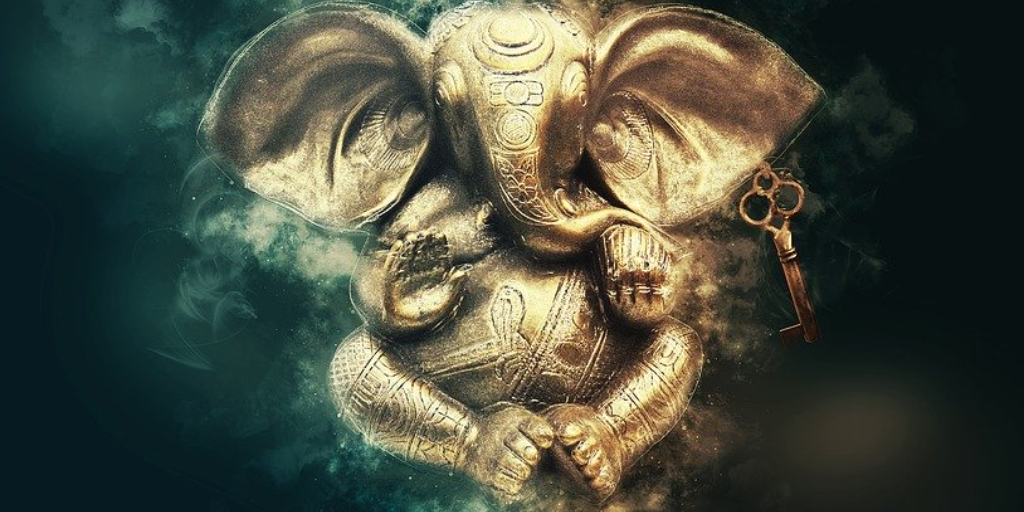
A reflection on why those worthy of the title Guru shy away from it, exploring unworthiness, fear of deification, and the author’s decision to own the title while normalizing guruhood as a natural waypoint for everyone.

A recommendation of David R. Hawkins’s book Letting Go, summarizing its core lessons that talking about an emotion is not the same as releasing it, and offering a step-by-step practice for watching an emotion dissolve.

A teaching essay arguing that manifesting radical change requires letting go not only of what you want to change but of yourself and everyone else as they are now, closing with a meditation for dissolving into the divine.

A manifestation exercise focused on the inner self, guiding readers to catalog how they will feel and which beliefs must change to match a desired new life, since experiences file new beliefs into the subconscious.

An answer to a reader whose partner is uninterested in relationship exercises, advising them to be the partner they want to have by modeling trust-building, sharing needs and fears, and initiating connection around intimacy and finances by example.

A detailed teaching on manifestation as a mathematical phase shift, describing three levels of consciousness, the steps required for radical change, and the work of expanding into and then shifting toward the reality you want.

An in-depth teaching on trust as the foundation of intimate partnership, examining how trust differs from expectation, whether it can be rebuilt after being broken, and why trust is fundamentally a risk assessment.

Encouragement and answers for people beginning to mentor others through the developmental journey, addressing common fears about readiness and worthiness and stressing that lived experience, not expertise, is enough to guide someone from Stage Six onward.

A short spiritual reflection arguing that how you talk to yourself is how you talk to the divine, since you are created of the divine, and inviting readers to reconsider their harsh self-talk in that light.

An essay on the difference between being a humanitarian and being a doormat, arguing that truly helping people means empowering them to take responsibility, sometimes by saying no and letting them face the consequences of their choices.
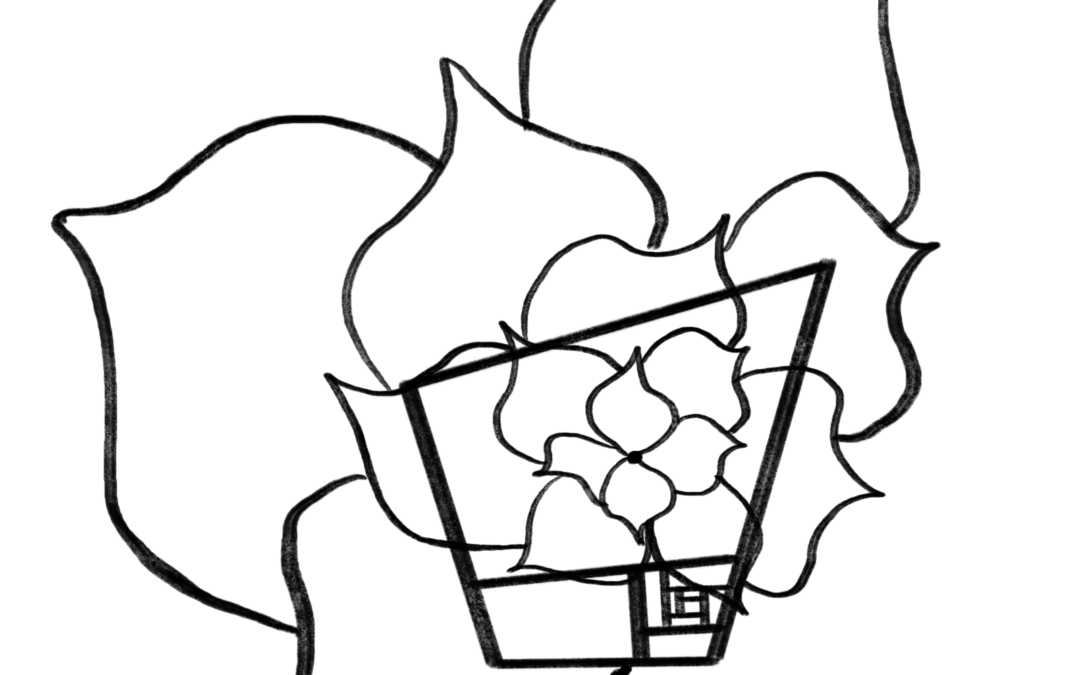
An argument that lasting global peace is achievable through a bottom-up approach of helping each person reach personal peace and Stage Six, paired with top-down efforts like Peace One Day, so that violence never reaches critical mass.

An introduction to a series on the nature and effect of money, framing money as an extension of the self that reflects how we see ourselves and others, with prompts to examine your own money baggage.

A self-inventory cataloging the many sources of stress — from genuine hardship to fear, an overloaded task list, unmet needs, conditioning, and self-sabotage — and asking what one needs to BE (present, flowing, breathing, thankful) to release stress that isn’t necessary.

A reflective life review tracing the author’s challenges across 44 years — schooling, marriage, divorce, financial ruin, and letting go of possessions and grown children — to surface recurring lessons about truth, boundaries, the effect of money, and freedom through letting go.
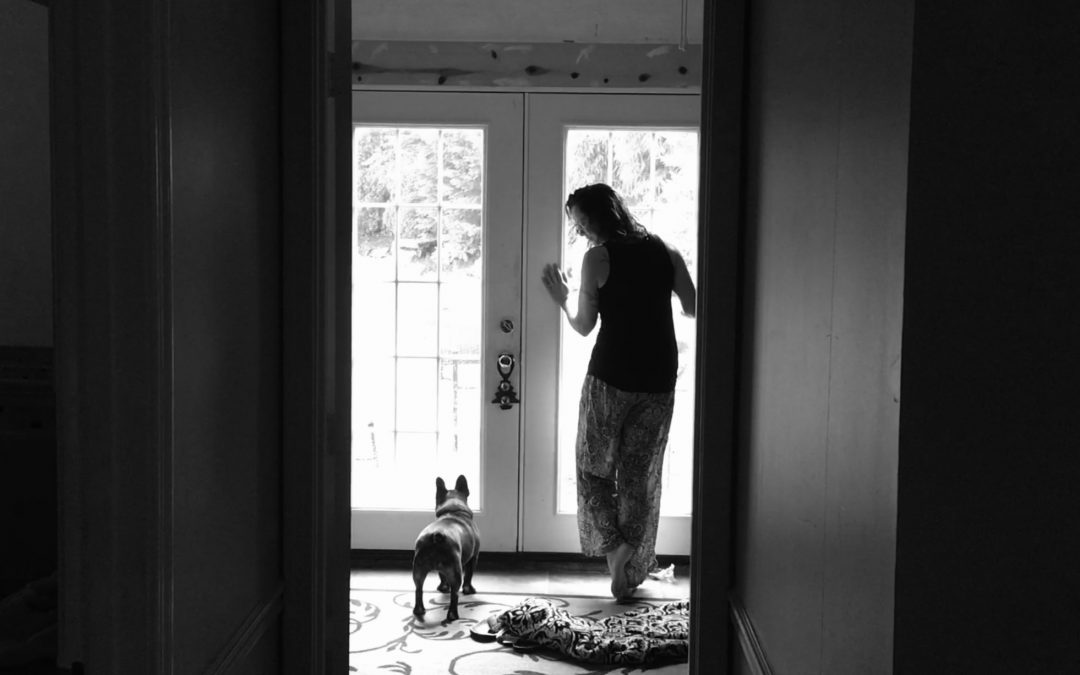
An audience-question answer on shielding yourself from others’ negative thoughts and energy — how to recognize feelings that aren’t yours, detach and return them, purify or close the shared channel, and build a protective energetic boundary around yourself.

A personal essay on precognition and intuitive skill in Stage Eleven — arguing that while knowing your potential future can keep you safe and validate your purpose, it also breeds expectation and attachment that stall the very growth it foretells.

An audience-question answer using the stages-of-development model to reframe scammers as souls stuck in Stage Three (I Am My Needs) — explaining why they cannot see a victim’s humanity, and how to respond with disconnection, compassion, and hope for their future.
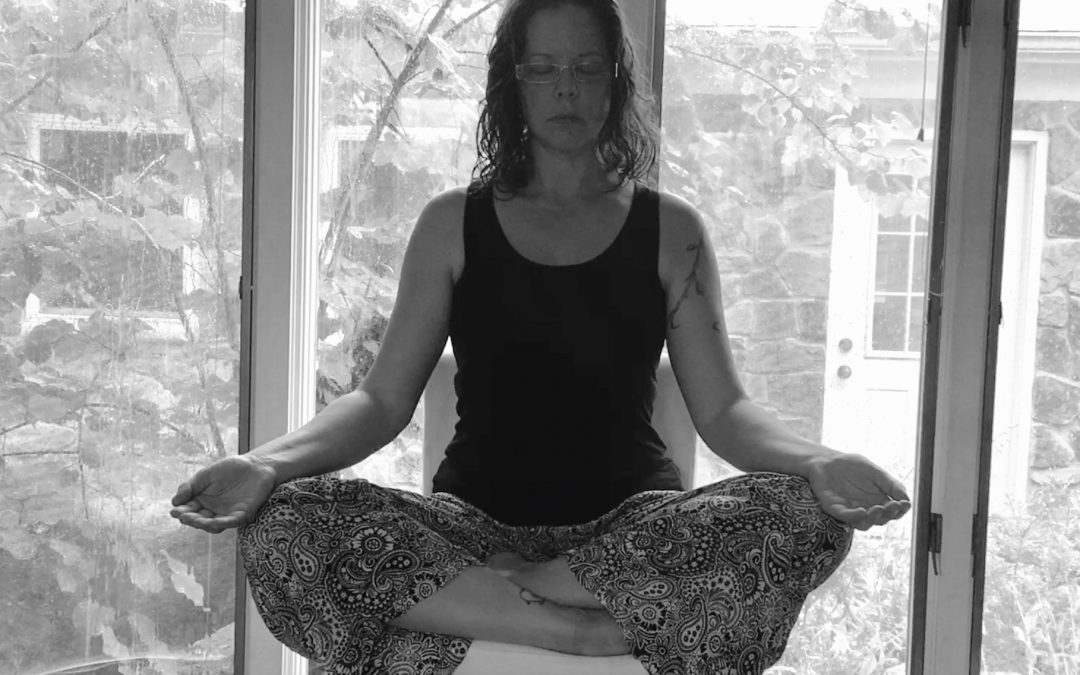
A contemplative piece framing creation through three layers of consciousness — conscious mind, subconscious, and Source Consciousness — and describing manifestation from the Source, a place that wants for nothing and instantly manifests only what supports one’s truth.
A candid personal essay on relapsing into martyrdom — how a season of family saving hardened into unnecessary self-sacrifice — and how recognizing the fall back to Stage Three, then reconnecting from Stage One forward, restores balance.