
Decluttering Your Time And Attention
A teaching on treating time and attention as our only nonrenewable resources, making activities and people compete for them, and using an 80/20 analysis to reclaim space for self-development and purpose.

A teaching on treating time and attention as our only nonrenewable resources, making activities and people compete for them, and using an 80/20 analysis to reclaim space for self-development and purpose.

A teaching distinguishing unattainable perfection, an endless comparison to an imaginary final state, from ‘amazing,’ a here-and-now assessment against pre-set criteria, arguing we should pursue defined, attainable excellence rather than perfectionism.

A teaching drawing a sharp line between connection, being fully present to another’s truth without needing their presence or approval, and attachment, which needs presence and leads to pain, arguing complete connection can even transcend death.

The foundational teaching defining Purna Asatti, or complete connection: connecting fully to self, others, and reality across every aspect of being, mapped to the chakras, and reframing tantra as enlightenment through connection rather than sexuality alone.

A chakra-by-chakra guide to building complete connection with a romantic partner, moving from trust and grounding at the root through sexuality, individuality, love, truth, and intuition to shared transcendence at the crown.

A reflective journal entry recording insights from morning meditation, exploring the paradox that we receive what we want by releasing desire for it, and allowing infinite energy, joy, and love to flow through us with gratitude.

An essay responding to Dr. Mariano Sigman’s semantic-analysis research on when human introspection emerged, arguing that the capacity for inner reflection long predated the writings of roughly 500-400 BC and that introspection remains a deliberate choice.

An essay on self-sabotage, exploring why humans carry both a drive for growth and an inner voice pulling toward mediocrity, weighing evolutionary and psychological explanations and concluding that whichever tendency we feed grows stronger.

A reflective essay naming ‘spiritual fatigue,’ the exhaustion that often follows intense self-development work, and arguing for balancing periods of deep examination with simply living, while staying guarded against relapse into self-sabotage.

A short essay on releasing worry about one’s children, recognizing that we cannot know another person’s path or future, and that accepting our not-knowing, offering support, and focusing on our own life serves everyone better.
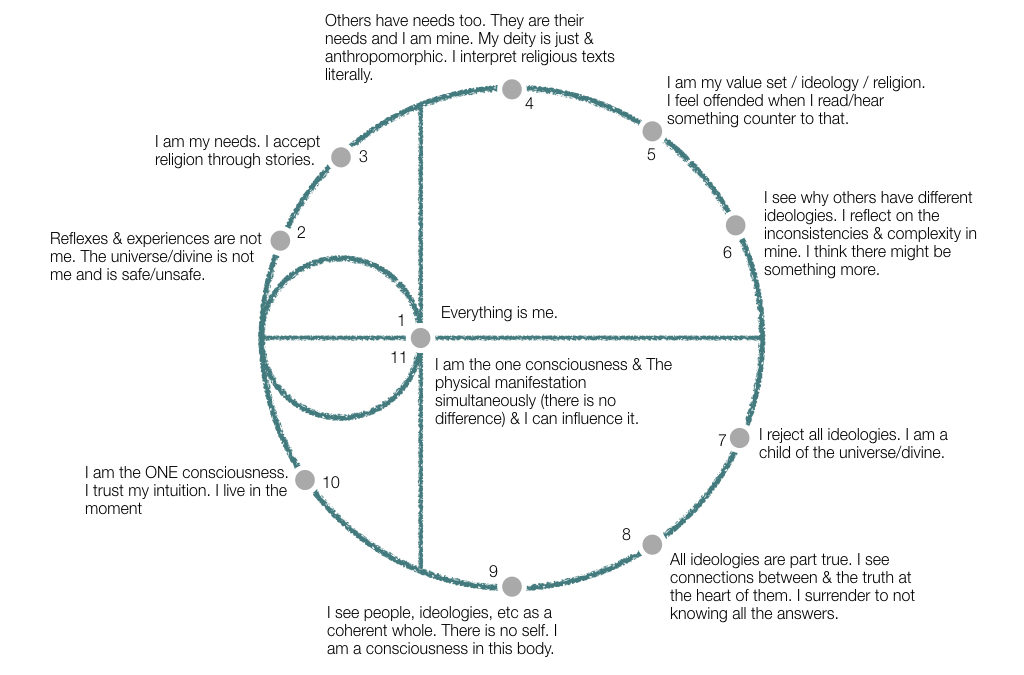
An introductory roadmap to self-development presenting the author’s model of universal stages of human growth, synthesized from Kegan, Fowler, and others, framed as the guide she wished she had when her own journey began at thirty-one.

A reflective essay on cultivating boredom, arguing that unstructured, phone-free quiet time creates the mental space for creativity, big questions, and self-understanding that constant digital stimulation crowds out.
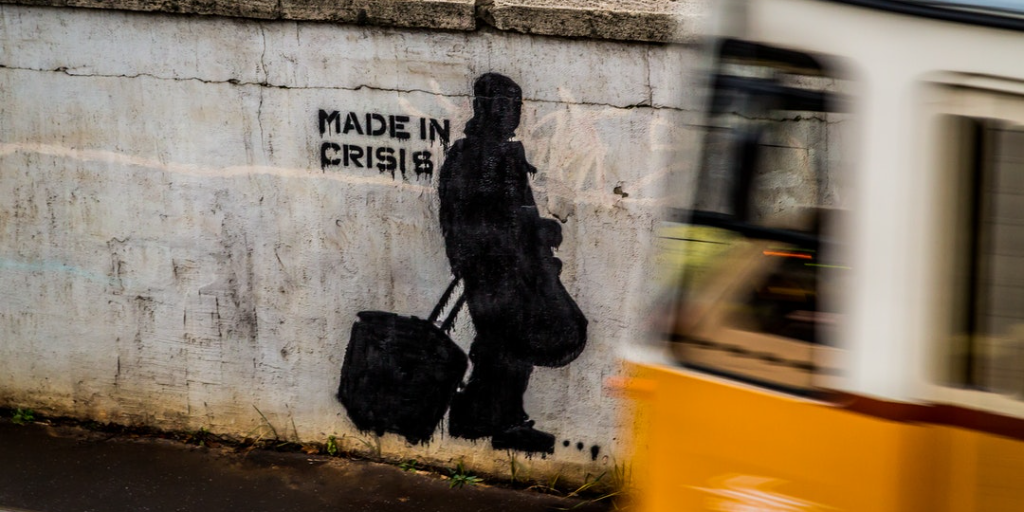
A reflective essay on holding joy while others suffer, drawing on Buddhist and Hindu perspectives to argue that suffering alongside others helps no one, and that embodying peace and joy is what truly lifts them.
A guidance essay on releasing anxiety over grown children, arguing that worrying about their choices is futile once they are adults, and advising disciplined self-focus, selective responsiveness, and accepting a child’s right to walk their own path.

A reflective essay using the discarded-then-enshrined bust of Nefertiti as a metaphor for the human cycle of being exalted, cast aside, and remembered, urging readers to keep treasuring themselves through every fleeting turn.

A contemplative essay on the balance between oneness and aloneness, framing separateness as a necessary phase of the developmental journey that prepares the inner work leading to later stages of connection and unity.

A real-time journal entry written while the author’s aunt was dying in hospice and her son underwent brain surgery, exploring grief, separateness, transcendence, and the spiritual idea of dissolving the self to rejoin oneness.

An essay arguing that people can only love others to the degree they love themselves, explaining why loved ones’ actions may fall short of their claims, and advising readers to assess others’ self-love and examine their own.

A reflection on manifesting, likening intentions to stones dropped in a pond and arguing that a consistent daily signal across all areas of life outcompetes stronger but sporadic ones in shaping one’s reality.

A brief method for focusing effort in difficult moments by asking what one needs to BE rather than what one needs to do, letting the desired way of being reveal the concrete actions to take.

A candid guide to difficult family relationships, covering when to walk away from abusive or harmful relatives, how to exit gracefully by fading out, and when and how to reconnect once both parties have genuinely evolved.

A large curated collection of self-reflection questions covering feelings, values, purpose, fears, habits, relationships and self-talk, offered as prompts for self-development and life integration and meant to be worked through only a few at a time.

A reflective essay on choosing to love fully despite inevitable pain, the profound peace found in surrendering to love, and whether lasting peace is simply an open heart held within a carefully constructed boundary.

A philosophical essay tracing how our sense of self evolves through stages of ideology toward ‘there is no self,’ warning against becoming trapped in identifying with our beliefs, and questioning why we look to spiritual and religious ideologies to tell us how to live.

An essay questioning whether people should be defined by their past mistakes or their contributions, arguing for remembering both, restoring dignity to the forgotten, and judging others only as we ourselves would wish to be judged.