
Meditation – How To Let Go
A short meditation teaching on letting go, inviting the practitioner to set down needs, roles, stories, and worries like heavy bags in order to relax fully into the infinite silence and let energy flow through.

A short meditation teaching on letting go, inviting the practitioner to set down needs, roles, stories, and worries like heavy bags in order to relax fully into the infinite silence and let energy flow through.

A reflective journal entry recording insights from morning meditation, exploring the paradox that we receive what we want by releasing desire for it, and allowing infinite energy, joy, and love to flow through us with gratitude.

An essay responding to Dr. Mariano Sigman’s semantic-analysis research on when human introspection emerged, arguing that the capacity for inner reflection long predated the writings of roughly 500-400 BC and that introspection remains a deliberate choice.

An essay on self-sabotage, exploring why humans carry both a drive for growth and an inner voice pulling toward mediocrity, weighing evolutionary and psychological explanations and concluding that whichever tendency we feed grows stronger.

An essay on semantic analysis and mental state that proposes a self-development app which would analyze a user’s journals and social posts to identify their developmental stage, track progress over time, and suggest tailored tasks and readings.

A reflective essay naming ‘spiritual fatigue,’ the exhaustion that often follows intense self-development work, and arguing for balancing periods of deep examination with simply living, while staying guarded against relapse into self-sabotage.

A short essay on releasing worry about one’s children, recognizing that we cannot know another person’s path or future, and that accepting our not-knowing, offering support, and focusing on our own life serves everyone better.

A three-session experiment log practicing Samyama, a meditation technique from the writings of Yogani for cultivating qualities such as love, abundance, and wisdom by focusing on each and surrendering it to the infinite divine within.
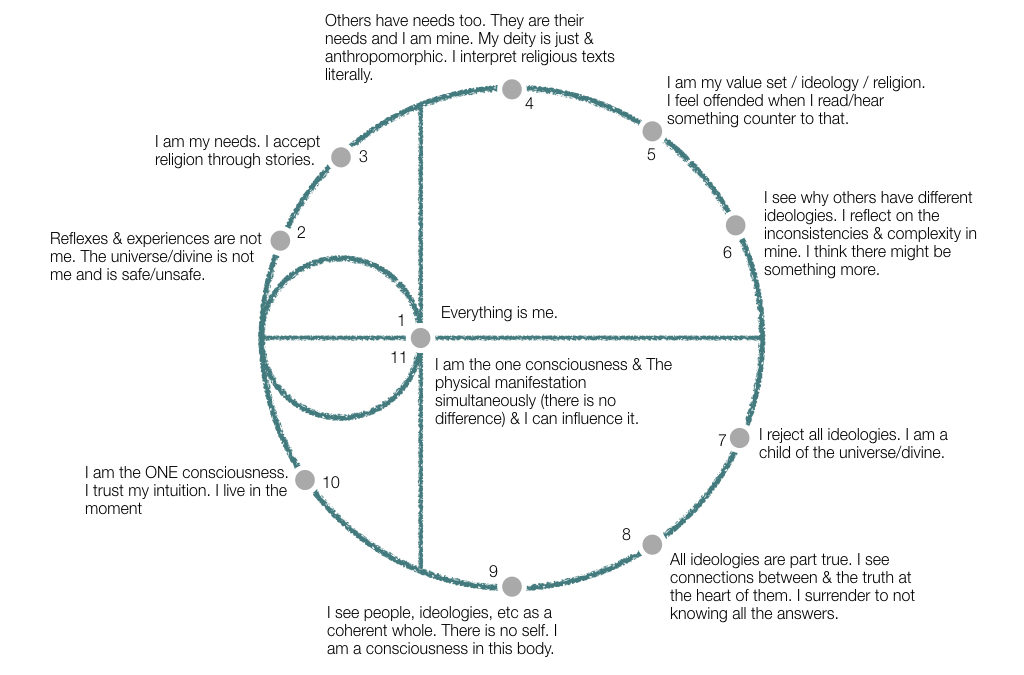
An introductory roadmap to self-development presenting the author’s model of universal stages of human growth, synthesized from Kegan, Fowler, and others, framed as the guide she wished she had when her own journey began at thirty-one.

A practical essay on distinguishing an impulse you will later regret from a genuine soul ‘compelling,’ offering rules of thumb, especially that anything rushed or involving spending money is usually impulse rather than intuitive guidance.

A reflective essay on cultivating boredom, arguing that unstructured, phone-free quiet time creates the mental space for creativity, big questions, and self-understanding that constant digital stimulation crowds out.
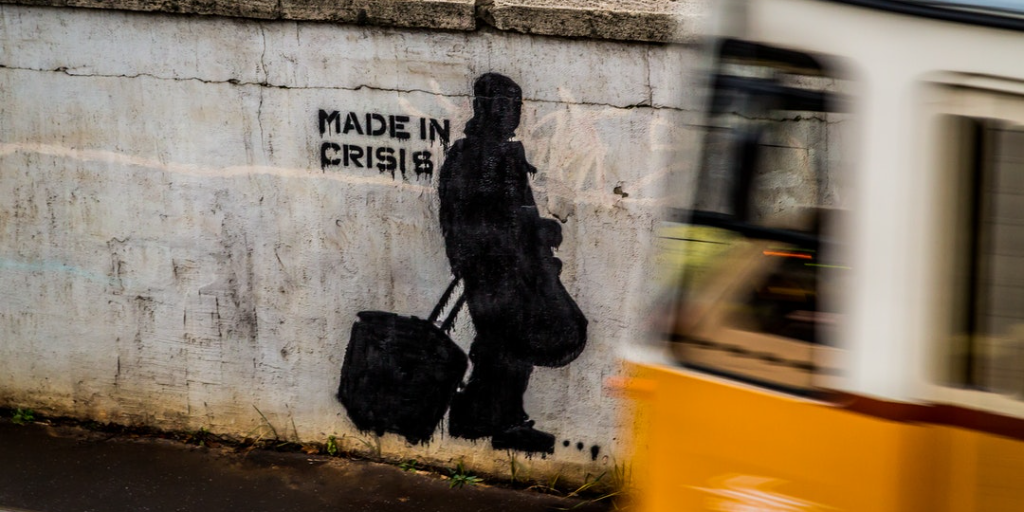
A reflective essay on holding joy while others suffer, drawing on Buddhist and Hindu perspectives to argue that suffering alongside others helps no one, and that embodying peace and joy is what truly lifts them.

A short essay examining worry as a habitual, even addictive, negative emotion, distinguishing worry from stress, questioning what payoff it provides, and inviting the reader to notice the mind’s stories and return to the present.
A guidance essay on releasing anxiety over grown children, arguing that worrying about their choices is futile once they are adults, and advising disciplined self-focus, selective responsiveness, and accepting a child’s right to walk their own path.

A reflective essay using the discarded-then-enshrined bust of Nefertiti as a metaphor for the human cycle of being exalted, cast aside, and remembered, urging readers to keep treasuring themselves through every fleeting turn.

A personal account of managing recurring depression and anxiety without medication by recognizing the darkness, accepting it with compassion rather than fighting it, and restoring mental resilience through habits like sleep, sun, exercise, solitude, and reduced media.

A short reflection on how each person has a habitual favorite negative emotion, whether grief, worry, aloneness, or annoyance, and a suggestion that naming one’s default misery and cultivating connection to self can make it dissipate.

An essay distinguishing growth from suffering, arguing that real transformation comes from freely chosen challenges that intimidate and require facing a fear or building a skill, rather than from pain that is imposed without consent.

A contemplative essay on the balance between oneness and aloneness, framing separateness as a necessary phase of the developmental journey that prepares the inner work leading to later stages of connection and unity.
Practical advice on achieving large or seemingly impossible goals by preempting them with tiny daily actions, focusing on the journey rather than the destination, and prioritizing consistent action over endless planning.
A real-time journal entry written while the author’s aunt was dying in hospice and her son underwent brain surgery, exploring grief, separateness, transcendence, and the spiritual idea of dissolving the self to rejoin oneness.
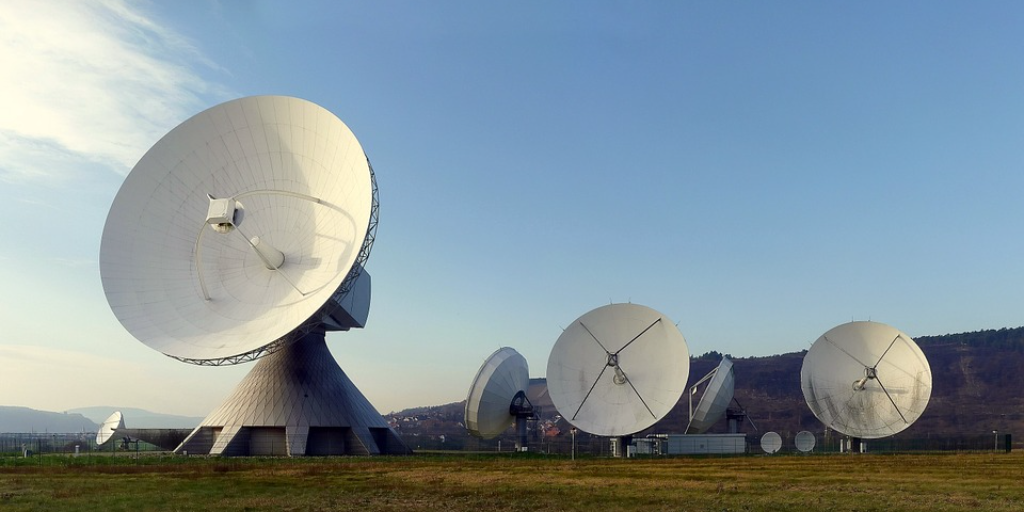
An essay on the neuroscience of reading people, drawing on research that a tuned-in listener or reader mirrors the brain patterns of a speaker or writer, and concluding that voice and text transmit a person’s state of mind.

An essay arguing that people can only love others to the degree they love themselves, explaining why loved ones’ actions may fall short of their claims, and advising readers to assess others’ self-love and examine their own.

A reflection on manifesting, likening intentions to stones dropped in a pond and arguing that a consistent daily signal across all areas of life outcompetes stronger but sporadic ones in shaping one’s reality.
A personal essay on how reducing commitments, possessions, and relationships frees up attention, which in turn enables focused intention and creative flow, and on trusting a let-go, unscheduled approach to balancing writing, music, art, and language.