
Doing vs Being – How To Focus Your Efforts
A brief method for focusing effort in difficult moments by asking what one needs to BE rather than what one needs to do, letting the desired way of being reveal the concrete actions to take.

A brief method for focusing effort in difficult moments by asking what one needs to BE rather than what one needs to do, letting the desired way of being reveal the concrete actions to take.

An essay challenging the claim that willpower cannot be willed, citing Libet’s experiments and arguing that the will is a trainable muscle, with graduated exercises from the marshmallow test to harder tests of self-discipline.

A candid guide to difficult family relationships, covering when to walk away from abusive or harmful relatives, how to exit gracefully by fading out, and when and how to reconnect once both parties have genuinely evolved.

A reflective piece on how the body stores trauma and how surgery — even minor procedures — can reawaken buried grief and past trauma, drawing on the author’s own experience and the idea that healing involves both body and mind.

A large curated collection of self-reflection questions covering feelings, values, purpose, fears, habits, relationships and self-talk, offered as prompts for self-development and life integration and meant to be worked through only a few at a time.
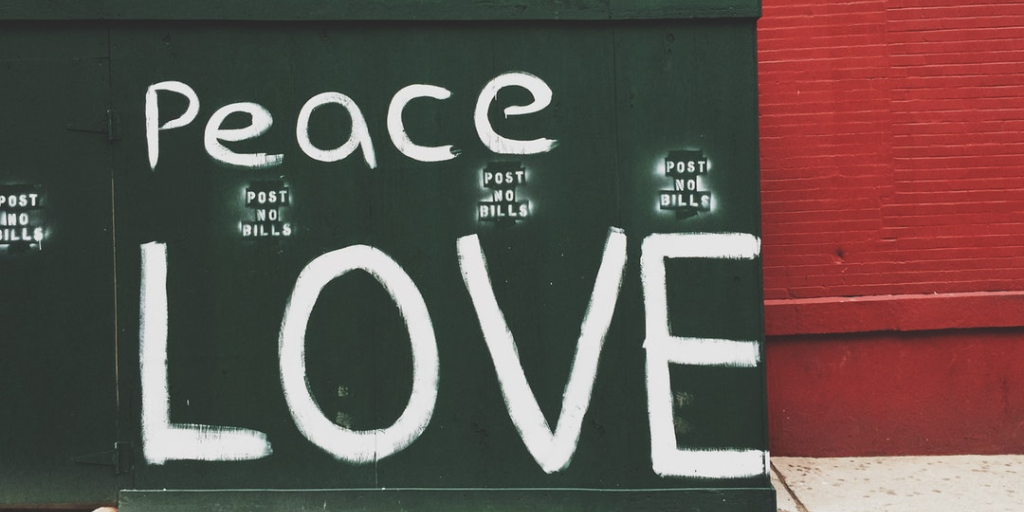
A reflective essay on choosing to love fully despite inevitable pain, the profound peace found in surrendering to love, and whether lasting peace is simply an open heart held within a carefully constructed boundary.

A philosophical essay tracing how our sense of self evolves through stages of ideology toward ‘there is no self,’ warning against becoming trapped in identifying with our beliefs, and questioning why we look to spiritual and religious ideologies to tell us how to live.

A personal essay on the author’s discomfort with religion, growing up between Methodist and Southern Baptist relatives, and how the same texts are used to justify both love and hate — while sensing a shared truth buried beneath historical context.
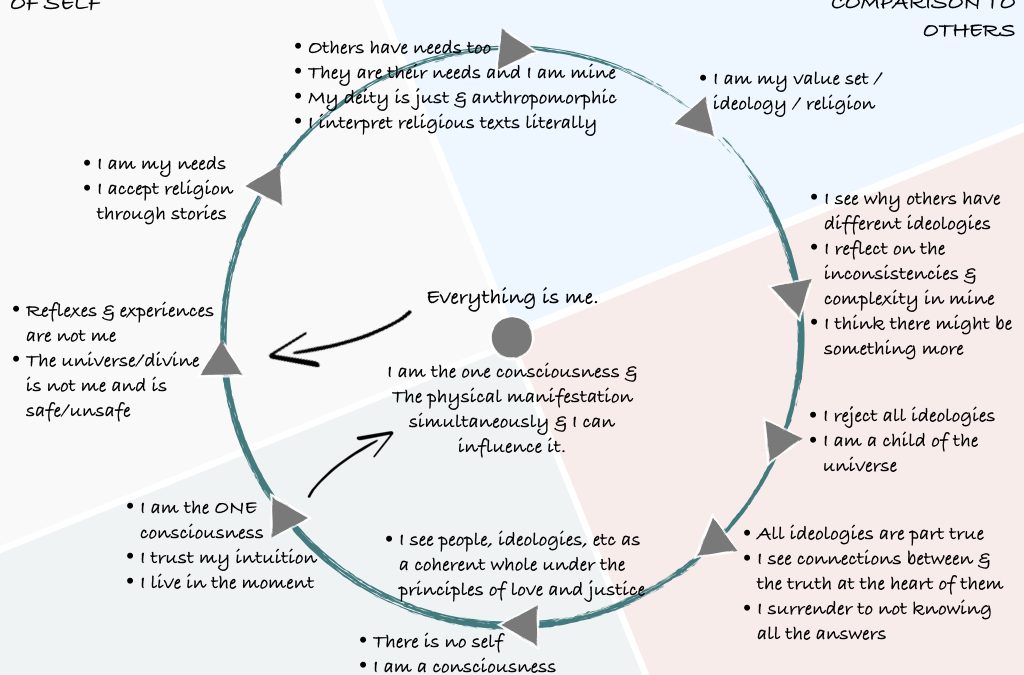
An exploration of whether particular life challenges map to specific stages of the author’s development model, finding that some stages attract characteristic struggles while other challenges can strike anytime and pull a person back into earlier stages.

An essay questioning whether people should be defined by their past mistakes or their contributions, arguing for remembering both, restoring dignity to the forgotten, and judging others only as we ourselves would wish to be judged.

A practical guide offering several methods for discovering your unique purpose or mission — including free-flow writing, the four-way intersections exercise, skills assessments, and quiet meditative listening — with the reminder that your purpose will not resemble anyone else’s.

A cataloged master list of the roughly sixty most common challenges humans face across mental, emotional, physical, social, financial and whole-life categories, compiled from thousands of survey responses to show how universal and finite our struggles really are.

A teaching essay on why self-understanding matters even amid ordinary chores and human suffering, arguing that developing to later stages of understanding lets you shape your own reality, and starting with the question of what you truly want to feel.
An essay applying the eleven-stage model of personal development to society as a whole, tracing humanity’s collective movement from survival-focused early stages through ideological stages toward a future stage of shared peace and recognized truth.

A nerdy thought experiment linking physics and spirituality, arguing that the pervasive Higgs field, which gives rise to mass and the other forces, is the best physical candidate for the Tao or divine and possibly the mechanism behind manifestation.
A practical, personal walkthrough of a belief-retraining process: identifying stressors, writing corrective perspectives for each, and distilling them into daily affirmations read for a month to replace limiting beliefs with healthier mindsets and behaviors.
A teaching piece on manifestation and purpose, arguing that struggle is a signal the universe is blocking something counter to your path, and that recognizing and trusting that resistance helps you make choices aligned with your true purpose.
![A Guide To The Lost Art Of The Protest [Non-Partisan]](https://kathryncolleen.com/studio/wp-content/uploads/2018/05/March_on_washington_Aug_28_1963.jpg)
A non-partisan guide to effective protest, contrasting ineffective modern demonstrations with a disciplined method: a single focused message naming a specific action and official, respectful conduct, and prepared talking points capable of actually moving legislation.

A personal progress update on the author’s project to learn nine languages simultaneously, sharing early wins, a word-across-languages memorization strategy, and playful first impressions of how each language reflects its underlying culture.
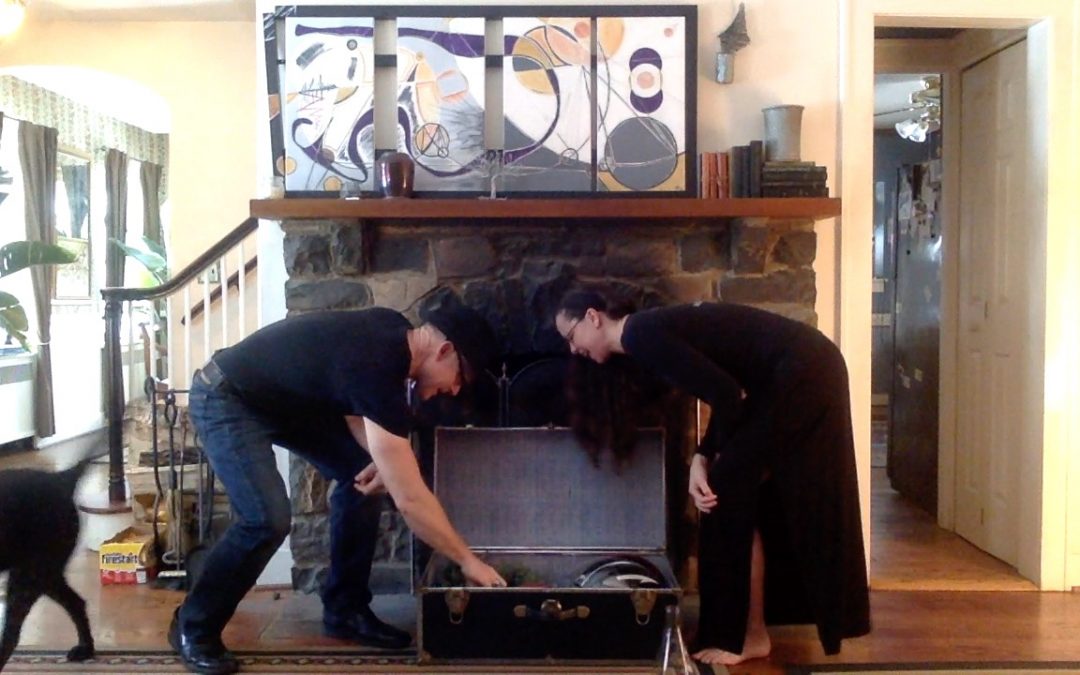
A teaching essay on the danger of accepting labels for our core self, from others or from ourselves — distinguishing real, learnable skills from an ever-changing ‘self’ that doesn’t truly exist, and warning how borrowed labels become limiting beliefs.

A teaching essay outlining five kinds of peace — financial, physical, emotional, mental and spiritual — arguing that each must be tended, that you must heal yourself before helping others, and describing the marks of peace in each domain.

A teaching essay arguing that religion and science are complementary conduits to truth, and that faith can be a powerful vehicle for spiritual self-development — moving from identifying with our needs or ideologies toward seeing ourselves as children of the divine.

A practical teaching essay offering a method for hard decisions: list each option’s reasons, reduce each to its root emotional trigger, and notice whether the pull comes from the human mind — greed, ego, fear — or from the soul’s purpose, service and love.

A personal essay on childhood limiting beliefs that resist removal, offering a technique of completing each negative belief with a positive extension rather than fighting it, then rereading the revised statements often to retrain the mind.
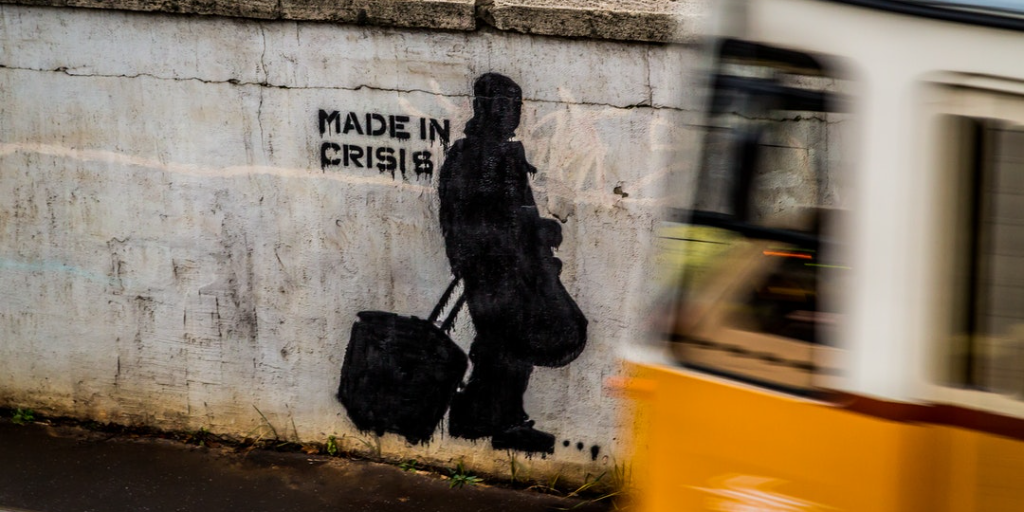
A reflective essay framing the author’s age-31 mid-life crisis as a catalyst for self-development, situating it within the cycle of human development stages and introducing manifesting as a learnable skill for shaping one’s own reality.