
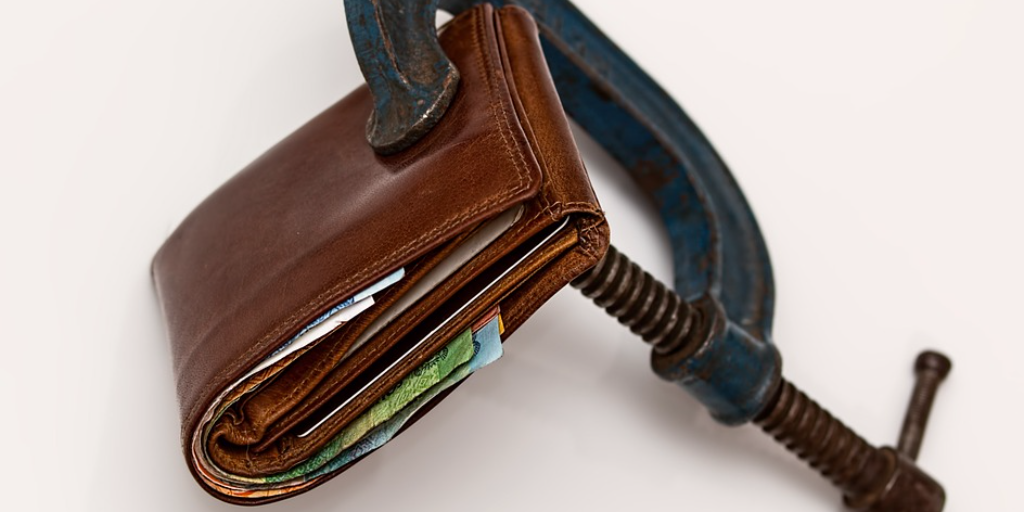
Connecting to your money means keeping careful watch on what is coming in and what is going out. It means consciously directing your money to act in your best interests. Consider your beliefs about money that may need to be updated. Are they serving you? What new beliefs do you need to put in place? You have a relationship with money whether you want one or not. Make friends with your money, do the right things with your money and more money will come to you in ways you may not currently imagine.
Credit card debt, student loans, car loans, personal loans and the like are all forms servitude. You are a slave, working for the bank or family member that lent you the money. Your time and effort belong to them, not you. This should be terrifying. In many cultures around the world, debt is considered normal. We are taught that debt is a tool for building assets and wealth. But this is a lie. Debt is a tool, for certain, but it is a tool for banks and others to keep you under control and to keep your hard earned money coming to them instead of you. If you are not currently in debt, that is great! Stay that way.
If you are currently in debt, through student loans, car loans, credit cards, personal loans, payment plans for things you bought, or anything else, getting out of debt needs to be a major priority. Being debt-free will be the foundation of creating an amazing stress free life. Imagine what you could do if you did not have debt payments? What could you direct that money to do?
You could save for your dreams and make them happen. You could take that class, or write that book or live that lifestyle that you have been dreaming of. You could save up to be financially independent – that is, you could save and invest to the point that you did not need to work at all and therefore you could focus on putting your effort into your dreams and purpose.
Dave Ramsey’s baby steps and debt snowball are a tried and true method for this…
First, make a list of every debt that you have. Include everything: credit cards, car loans, student loans, money you owe friends and family and other individuals, payment plans you have on things you bought, your home mortgage, etc. It may seem overwhelming. That is OK. Let the weight of your reality settle on you. Acknowledge the fear and the overwhelm. This too is being human. Then say… OK. THIS has got to go. Set your determination and make it solid. This ends today. No more new debt, EVER.
Order your debt from smallest to largest. This is the order you will use to pay them off. Why? Because it builds momentum, physiological advantage and continually adds more money to your efforts over time.
Next, make a list of all the money you have in any account (savings, checking, investments, etc). What do you have that you can put towards paying off this debt? Do it today. It will be painful at first to see your savings go towards this debt but this is an important first step.
Keep for yourself, or save up, a small emergency fund that is large enough to cover a major car repair or home repair. This will prevent emergencies from taking you off track.
Then, make a budget. Call it a spend plan if that feels better. But list out your expenses and your income. Cut your expenses to the core. There are likely many things you can do without, just for a while, as you pay off your debts. Get creative. The key will be sticking to your spend plan ruthlessly and paying off your debts one by one from the smallest to the largest. You will be amazed at the momentum and positive energy you will feel as you carry this out. As each debt is paid off, and you no longer have that payment to make each month and that is more money that you can put towards the next debt.
Read about the baby steps on Dave Ramsey’s website and listen to his shows and podcasts for inspiration and to help keep you on track.