
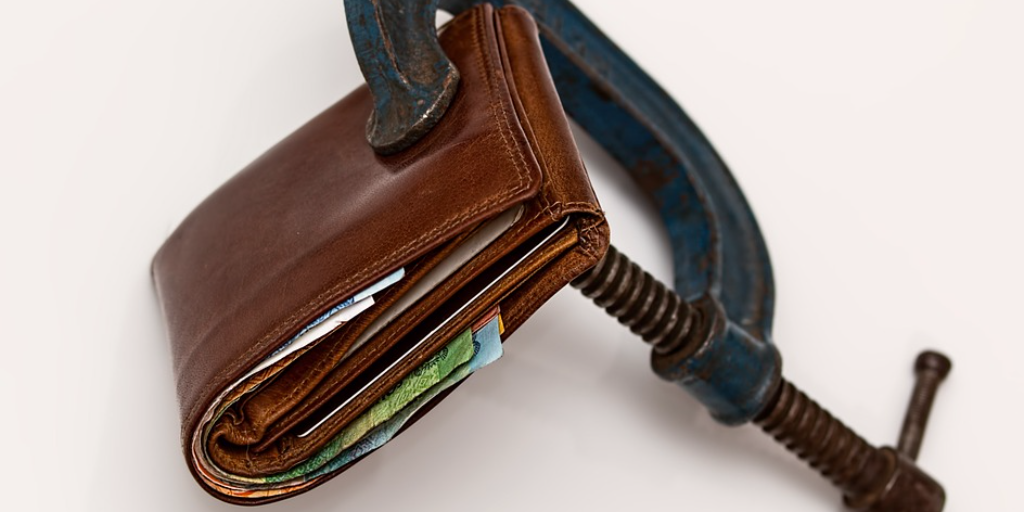
Ultimately money reflects how we see ourselves. If you don’t respect yourself, you will not respect your money. Lack of self respect and self love is often reflected in how you sabotage yourself and others with your money. Shopping too much, buying the wrong foods, going further into debt, gambling, and the like are all forms of self sabotage rooted in specific feelings like unworthiness or powerlessness.
Show me where you put your money and I will tell you everything about your current stage and self-image.
Our spending patterns evolve with us. It begins with our first concepts of money. As children, we watch our parents buy things. We first realize that we can exchange money for things we want. As children, we want a lot of things and tend to spend on things that bring us instant gratification like candy, snacks, and toys. We don’t think about the future. Eventually, we find larger, more expensive things that we want and the idea of saving up becomes formed in our minds.
But keep in mind here that we are, all this time, watching our parents spend like so called adults. You didn’t realize it at the time, but they were showing you how they felt about themselves. You may have witnessed shopping addiction, gambling, debt, or any number of detrimental behaviors and thought they were normal. As we grow up, we each assume that what we are witnessing at home is what normal people do; what everyone does. We subconsciously model our own behavior and life choices around that.
- Did your parents believe that debt is a tool, or otherwise a good thing or just a normal thing?
- Did you witness gambling addiction or spending addiction in your family?
- How did your parents spend their money or save their money?
- Do you see yourself repeating these patterns?
- What would you like to change?
They way we use our money directly reflects the emotions driving that use.
Debt reflects lacking or unworthiness. We go into debt via loans, credit cards, or even borrowing from friends, because we want something, but we don’t have enough money to buy it. We lack. We are not enough. Taking on the debt becomes a subconscious admission of our own personal lack. It breeds the same unworthiness that took it on.
Gambling reflects powerlessness. You might gamble on rare occasion on a vacation near some casino. You might try your hand just a bit for fun, expecting to lose and thinking of it a paying for entertainment. This is a perfectly healthy approach. Even in this carefully guarded approach, you are experiencing powerlessness. For some, it is an exercise in feeling powerless so that you can experience it, and therefore process it. It can be fun to let go of control. It can even be good for you to see that you do not have control.
The problem comes when other factors in your reality have you feeling powerless. When the baseline of your reality feels powerless, you run the risk of gambling to the point of addiction. You feel powerless already. You gamble for the distraction of it. But gambling makes you feel even more powerless, especially as you lose to the house (which is inevitable). So you gamble even more. And the same style of viscous cycle that we saw in the shopping addiction shows up here again, except now that spiral of addiction is based on powerlessness. The powerlessness drives you to seek distraction, but the distraction makes you feel even more powerless.
Extreme debt becomes a combination no unworthiness and powerlessness. In the beginning, we are spending to assuage the unworthiness we feel. But the debt mounts up. As the debt gets higher, it reaches a point where you could never imagine paying it off. This adds powerlessness to the mix. So now we feel incredibly unworthy and powerless to change it. This leads to completely spiraling out of control OR resolving to change.
Getting out of debt becomes part of the self improvement journey. In a moment of desperation, wanting something better for ourselves, we resolve to make it happen. We resolve to find a way out of debt because something in us is tired of feeling unworthy and tired of feeling powerless. We decide we are worth the journey of self improvement. And we are.
Getting out of debt is an integral part of self improvement. The two happen often at the same time. Why? Because as you improve yourself, you improve how you see yourself and how you think about yourself. In short, you come to love yourself. Then you cannot possibly continue to sabotage yourself in this way, or any other. the journey out of debt is not nearly as easy as the journey in. Like all experiences, however, it changes us. The climb out makes us feel even more worthy and capable. We see our own power to change our situation. We develop stronger will, and self-respect. And in that time period, we develop the other parts of ourselves too. This time, the spiral is heading UP, reinforcing self-respect, self-love and better money choices over and over.