
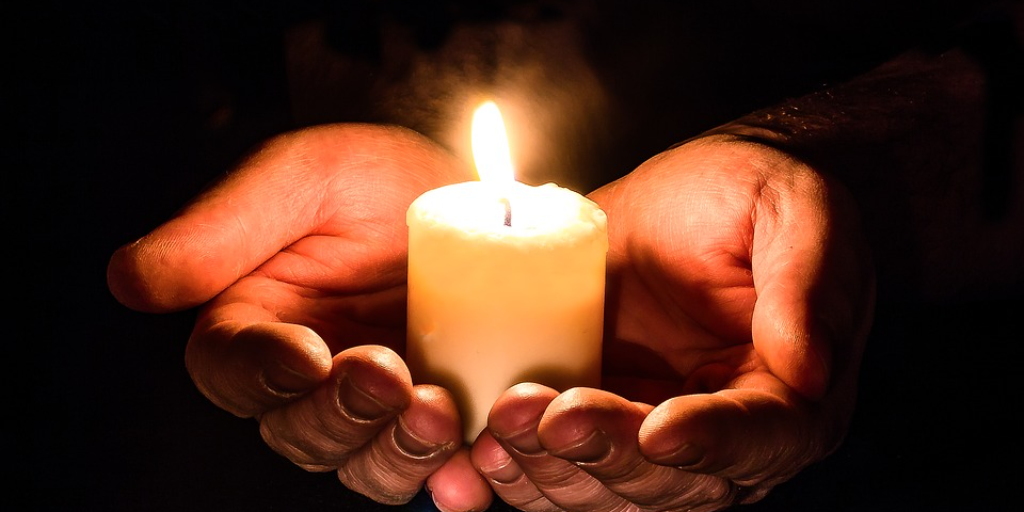
Over the course of our lives, we witness and participate in many significant rituals and ceremonies. Baptisms, Comfirmations, barmitsfahs, graduations, weddings, more graduations, funerals, and the list goes on. Why? Ritual and ceremony create meaning, solidify that meaning, and openly affirm it. The power of ritual and ceremony in our lives cannot be overstated. You can get married in sixty seconds at the courthouse, but we all want the the ceremony and rituals and clothing and flowers and events to go with it, because they mark the meaning of it and openly affirm the union. On the other end of life, funerals do little for the deceased, they solidify the meaning and significance of the passing for the living.
I heard once of a widow creating a ceremony at her church to officially end the marriage to her late husband, when her heart could not. It worked. Similarly, we can all use ritual and ceremony to mark the significance of or give meaning to everything from your meditation or prayer routine to new life stages and transitions. For example, you might begin each meditation or prayer session by lighting a candle, or placing a specific object on a table in front of you.
A common component of ritual and ceremony is the use of body postures, and hand gestures. In many religious ceremonies, you may kneel, and fold your hands together in prayer, or you may bow on the floor. Those new to meditation often believe that they must achieve the lotus position. This is a very challenging sitting position that I find is not at all necessary, but may bring significance to those who use it. And the significance and meaning is the point.
Many yoga positions, or asanas, purport to help energy move through the body or to awaken or calm energies in parts of the body. In the yoga and meditation worlds, hand gestures called mudras and bandahs are used to focus the user on opening or closing off energies in certains areas of the body.
These body positions and hand gestures work because, I believe, we as humans are predisposed to letting our body cue our thoughts and feelings. From the study of body language, we know that simply holding yourself tall in a confident position will actually make you feel more confident when you may not have naturally. Kneeling makes you feel humble. Folding your hands in prayer makes you feel reverent.
But it is also possible to feel humble, reverent, confident, or anything else by simply intending to feel it and thinking about what that feels like. Think of positions, hand gestures and other movements as a cue to help you feel a certain way or get into a specific mindset until you can simply get there by choice.
When meditating, I sometimes use hand and arm gestures to keep me focused on specific concepts like gratitude, or wishing peace for others, or opening the chakras for deeper connection. I have found, however, that I can create the same feelings and the same movements of energy by just thinking about it, now that I have had enough practice. That being said, I still use them to focus sometimes when I feel I am likely to be distracted.
Rituals, ceremonies, body positions and hand gestures are an immensely useful set of tools to create meaning and to focus our minds on the right things at the right time. The best part is: you can make your own and they will be equally effective if not more so because they are personal and therefore contain more meaning and significance.
Consider an area that you want to work on. For example, if you wanted to appreciate your body more, you could create a quick post-shower ritual to honor your body. Margot Anand has some great examples in her books. I recommend reading ALL of them.
What rituals, ceremonies, body positions, and gestures will you use? What meaning and significance will they have for you?